

Why Do We Feel Responsible for Other People’s Feelings?

You’re about to send an email and you’re re-reading it for the tenth time to make absolutely sure there’s nothing in it that could be misconstrued and cause offence. Then you check it another ten times after you’ve sent it – just in case…

You bump into a friend in the street. As you walk away, you replay the conversation over and over in your head trying to work out if you said anything “wrong”. You’re still rerunning the conversation in your head as you lie in bed that night…

A work colleague seems a bit off with you. You instantly rack your brain to recall your most recent interactions with them. You spend the day desperately trying to work out what you did to upset them so you can apologise and make things right…

Sound familiar?

Continue reading “Why Do We Feel Responsible for Other People’s Feelings?”
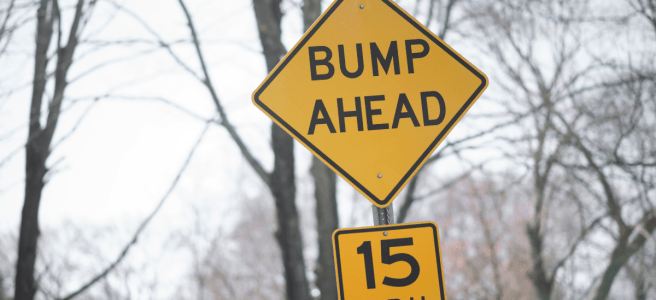
How Do You Handle Setbacks?

“It was going really well and now it’s not and I’m just so annoyed and angry with myself.”

This is something I hear a lot.

I understand.

You’ve been doing really well listening to your body about when you’re hungry, what you feel like eating and when you’ve had enough. You’ve been leaving food on your plate (something you thought you’d never do); you’ve turned down ice-cream because you didn’t feel like it (unheard of) and you ate just one brownie rather than devouring the whole batch (say whaaat?!).

Continue reading “How Do You Handle Setbacks?”

What Are You Waiting For?

We can spend so much of our lives waiting.

Waiting for something to happen.
Waiting for things to get better.
Waiting for the ideal moment.

I know I did (and sometimes still do).

There was an awful lot of time between acknowledging to myself that I had a binge eating problem and healing my relationship with food.

Most of that time I spent waiting.

Continue reading “What Are You Waiting For?”

How Can Fear Make Us Fat?

Trigger warning: abuse, trauma.

Let’s say you’ve managed to heal your relationship with food and have found autonomy.

You’ve been eating in tune with your body for a while – you’re eating when you’re hungry, you’re eating exactly what you feel like, and you’re stopping when you’re satisfied. In addition, you’re getting better at acknowledging your feelings and you’re finding ways to meet your emotional needs directly. Now that you’re no longer overeating, you’re really beginning to work with your metabolism and, whaddaya know, you’re starting to lose some weight.

All good.

Or is it?

Continue reading “How Can Fear Make Us Fat?”

Why Does Being Mean to Yourself Matter?

One of the traits that people with emotion-driven overeating tend to have in common is that they speak to themselves extremely unkindly. In fact, they speak to themselves in a way that they would never speak to another human being.

“You stupid, fat cow.”
“I hate myself.”
“I’m so disgusting.”

These are just some of the abuse-bombs that people typically launch at themselves. If you do the same thing, please don’t beat yourself up (about beating yourself up).

It’s not your fault.

You may have received a plethora of negative messages in childhood and, consequently, are treating yourself the way you think you deserve. Or years of failing diets, bingeing and weight gain may have decimated your self-esteem. Or both.

Continue reading “Why Does Being Mean to Yourself Matter?”